01
The diagnosis
Years of hospitals in Egypt finally led to an answer: a rare disease attacking Mark's brother and demanding a transplant abroad.
MB
In 2003, Mark Bastorous gave 60% of his liver to save his brother’s life. For nearly three years before that, doctors in Egypt couldn’t name the disease that was quietly taking him—only that it was winning. The family carried him from hospital to hospital, chasing a diagnosis that kept slipping away, refusing to accept the silence as an answer.
He arrived in America with $800 and a brother who was dying. A friend took them in until the church found them a place to stay. After bringing his brother from UCLA to UCI and finally USC, no donor could be found. So Mark had no choice—he went in himself.
He signed the waiver. He faced a 70% chance of not surviving. Before the 14-hour surgery, he said goodbye to everyone in his heart—and the face that came first was his father’s. He had lost him young, and part of him hoped he was about to see him again.
For more than 60 seconds, he was gone. What he remembers is his father and his grandfather crying. Then he came back. He woke up asking only one question: “Is my brother alive?”
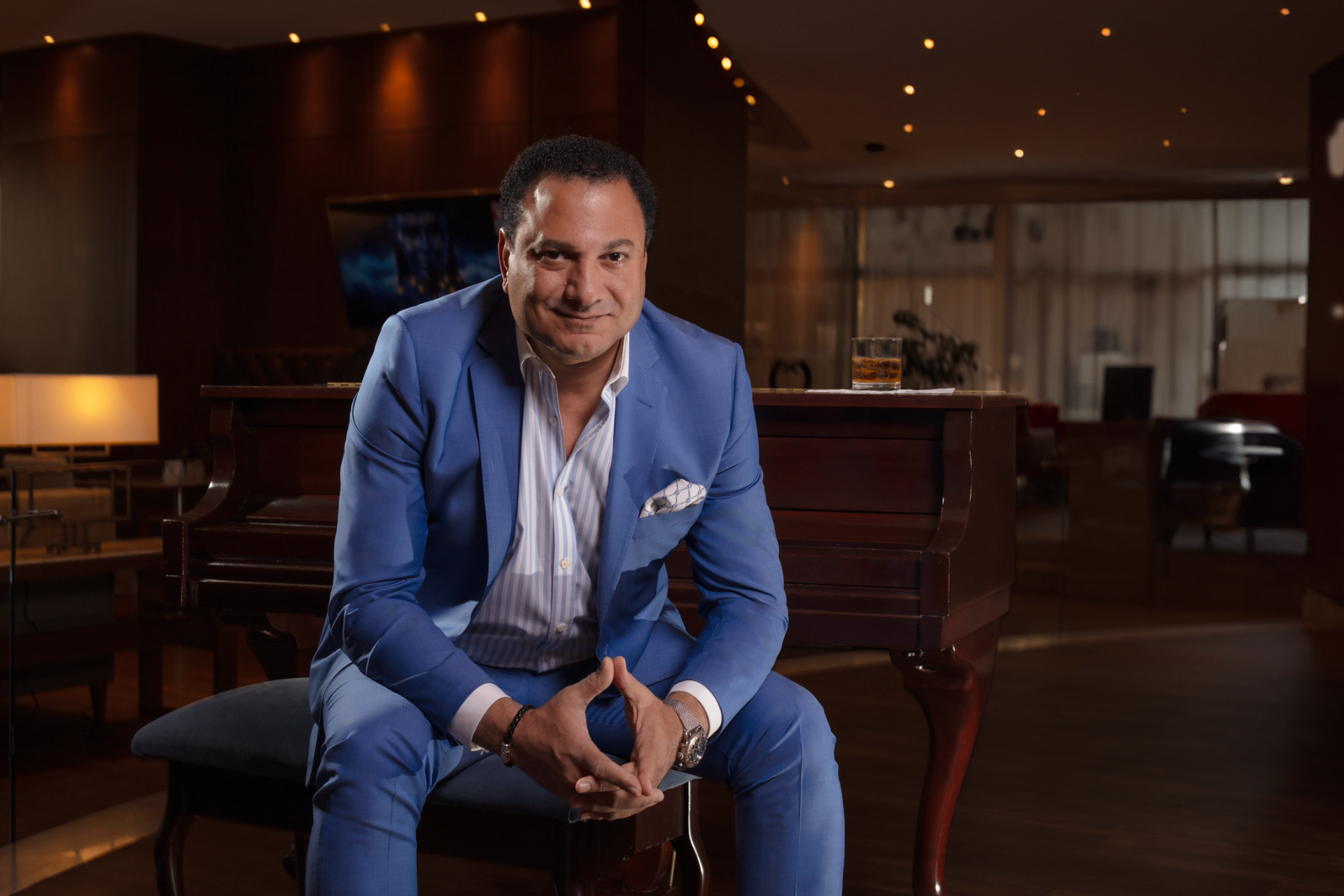
“I didn’t come to America for the American dream.
I came to save my brother’s life.”
Every chapter adds weight to the message: fear less, give more, and stop wasting the life you were trusted with.
01
Years of hospitals in Egypt finally led to an answer: a rare disease attacking Mark's brother and demanding a transplant abroad.
02
Mark arrived in the United States with his brother, $800, and one goal: keep him alive long enough to find a way forward.
03
After UCLA, USC, and UCI evaluations, Mark learned he was a rare DNA match and could donate 60% of his liver.
04
He signed a waiver with a 70% chance of not surviving, died for over a minute during surgery, came back, and first searched for his brother.
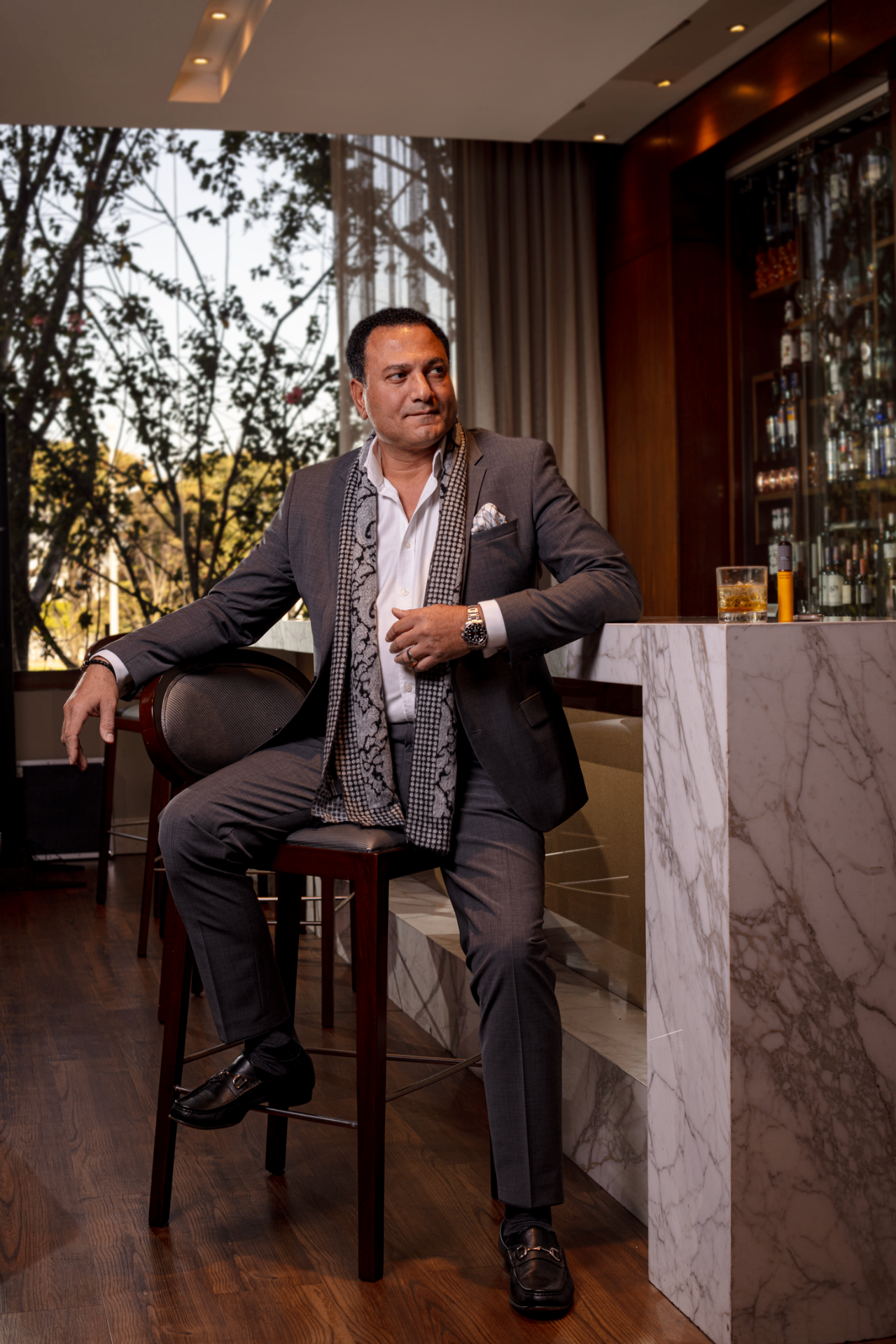
Presence
These portraits help balance the hardship of the story with the authority of the man who lived it. The visual language stays refined, cinematic, and grounded in reality.
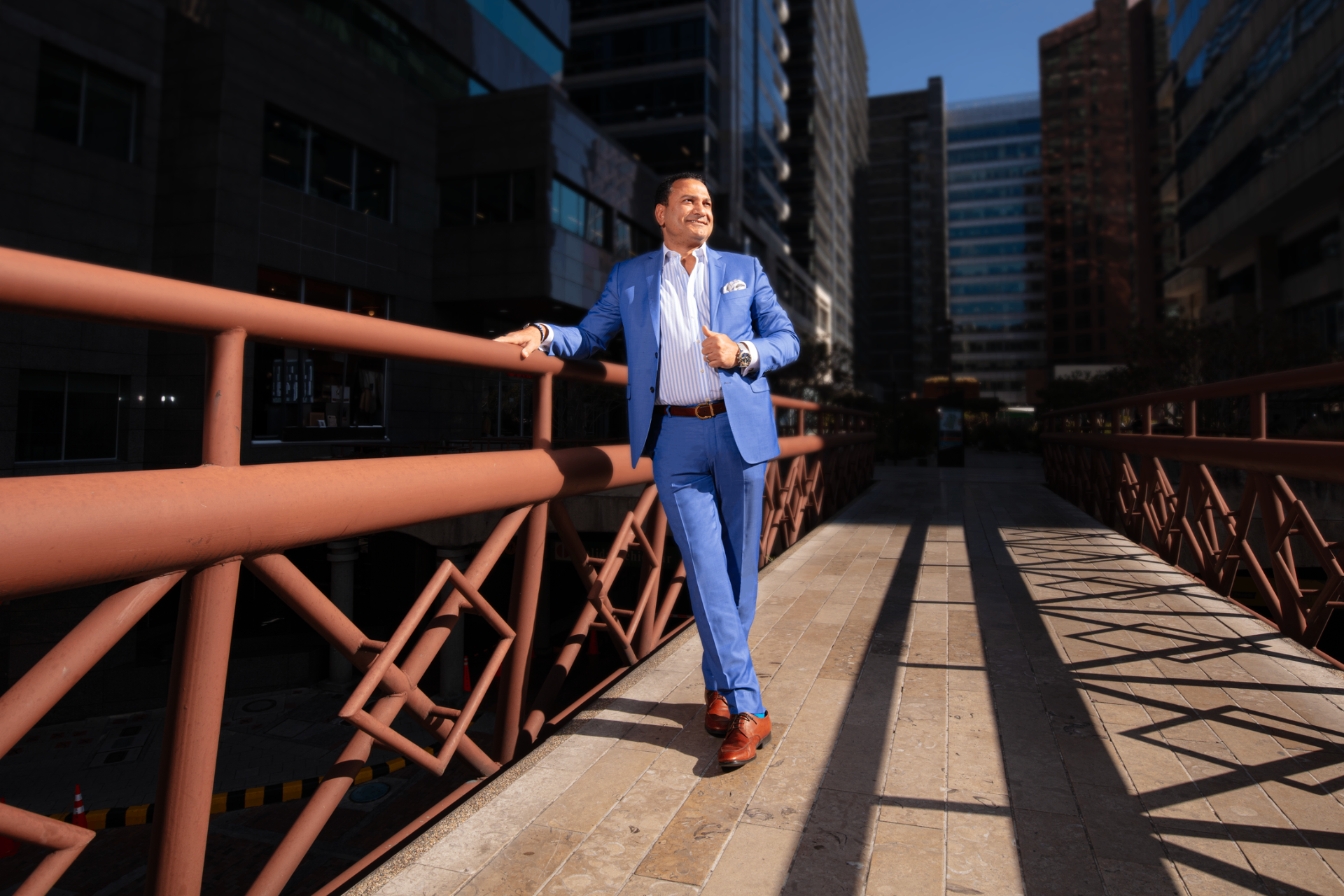
“I died once. Now I live differently.”
The website is not built like a résumé. It reads like a reckoning—one that turned survival into clarity and clarity into service.
Medical context
Budd-Chiari syndrome is a rare condition caused by blocked hepatic veins, which prevents blood from leaving the liver normally.
The blockage can lead to severe abdominal pain, swelling, liver enlargement, fluid buildup, jaundice, and progressive liver failure if untreated.
Because the condition is uncommon, diagnosis is often delayed and patients may require advanced imaging, specialized care, anticoagulation, procedures, or transplant depending on severity.
Presented as concise educational context to support the story—not to overpower it.
What is Behçet’s disease?
Behçet’s disease is a rare autoimmune disorder that causes inflammation of blood vessels (vasculitis) throughout the body.
Although hepatic involvement is uncommon, Behçet’s can attack the liver—triggering hepatic vein thrombosis, Budd-Chiari syndrome, or liver abscesses.
These complications can be severe, presenting as abdominal pain, ascites (fluid buildup), and in the most serious cases, liver failure.
Educational context only—not medical advice.
A brief history
Formally identified in 1937 by Turkish dermatologist Hulusi Behçet in Istanbul, though similar cases had been described throughout history.
Most common along the ancient Silk Road—from the Mediterranean to East Asia—with the highest prevalence in Turkey (up to 420 per 100,000 people).
Rare in North America and Northern Europe, where prevalence is often below 1 per 100,000—making diagnosis outside endemic regions especially difficult.
A reminder of how geography, ancestry, and rare disease intersect.
I didn’t come to America for opportunity. I came to save my brother.
I gave 60% of my liver because giving was never a strategy. It was who I was raised to be.
When you die once and come back, you stop worshipping fear.
This story is not about image. It is about purpose, responsibility, and what a life is meant to do.
Signature message
You’re afraid to start. I was afraid I wouldn’t wake up.
We are not the same.
Mark Bastorous is not presenting a brand built on hype. He is presenting proof—proof that life gains meaning when it is used in service of someone else.
Closing statement
Life is not yours. It was given to you.
Use it to give back.